01
Prevention
Identifying and reducing the work-related pressures that affect health, judgement and performance before they become harm.
AI Safety Suite · live now
Survey clockUK
4 AI tools live7 core services10 expertise areasISO 45001ISO 14001ISO 9001NEBOSHIOSHISEP
Advisory activeActive
Surveying work area
Workplace wellbeing & mental health
We help organizations understand and address work-related stress and workplace wellbeing challenges, with particular consideration for the demands associated with high-hazard and engineering environments.
Our second core pillar
Safety is physical and psychological. We treat both as part of the same operating risk.
Where this happens
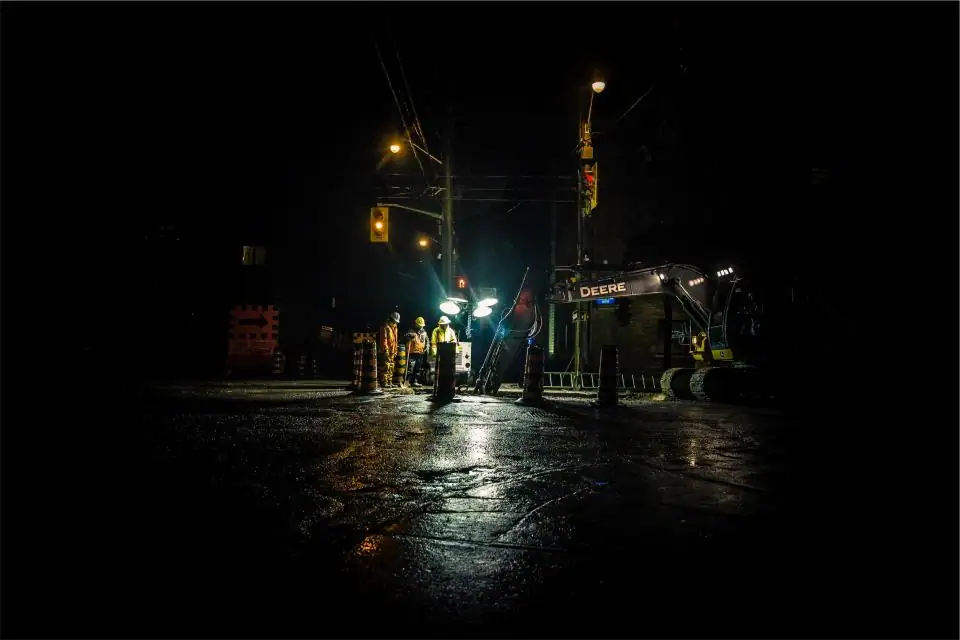
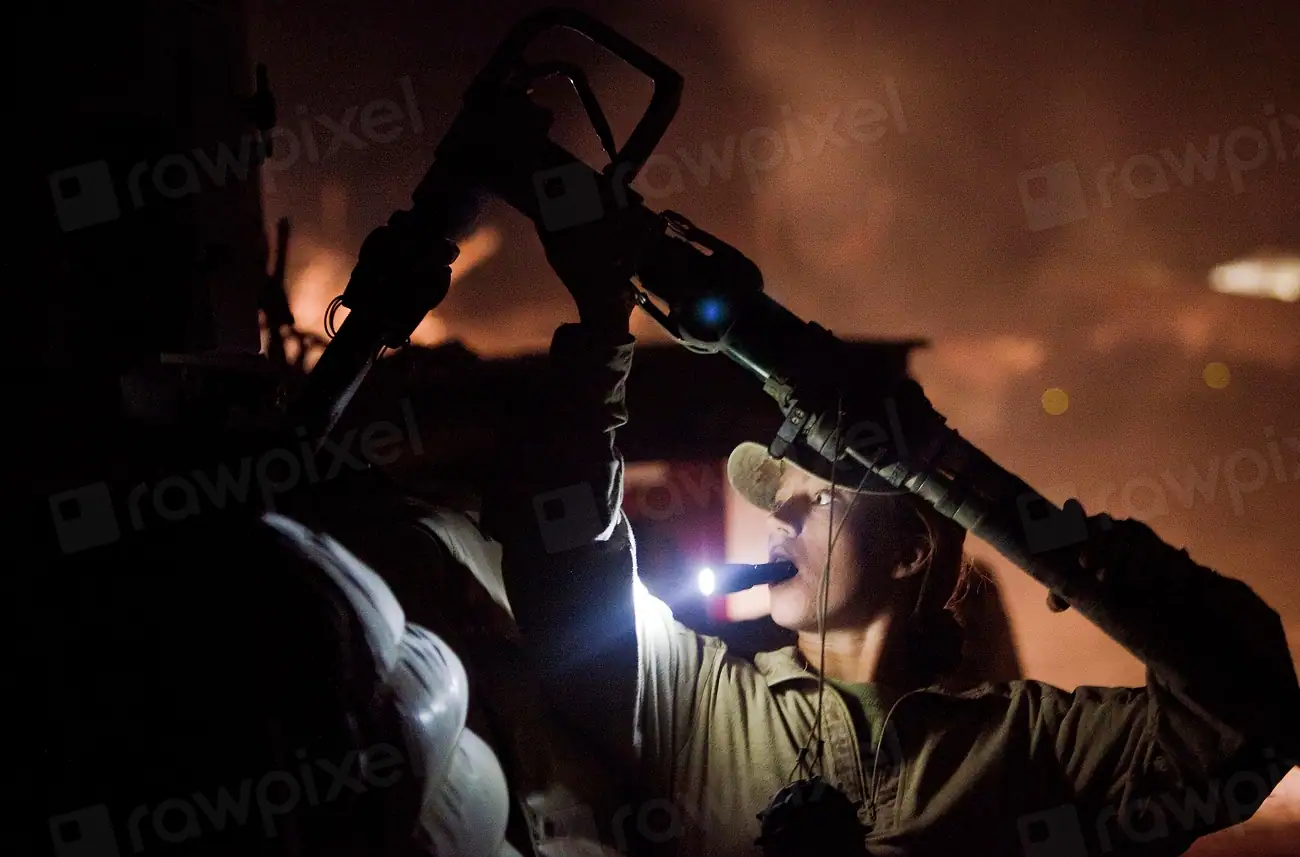
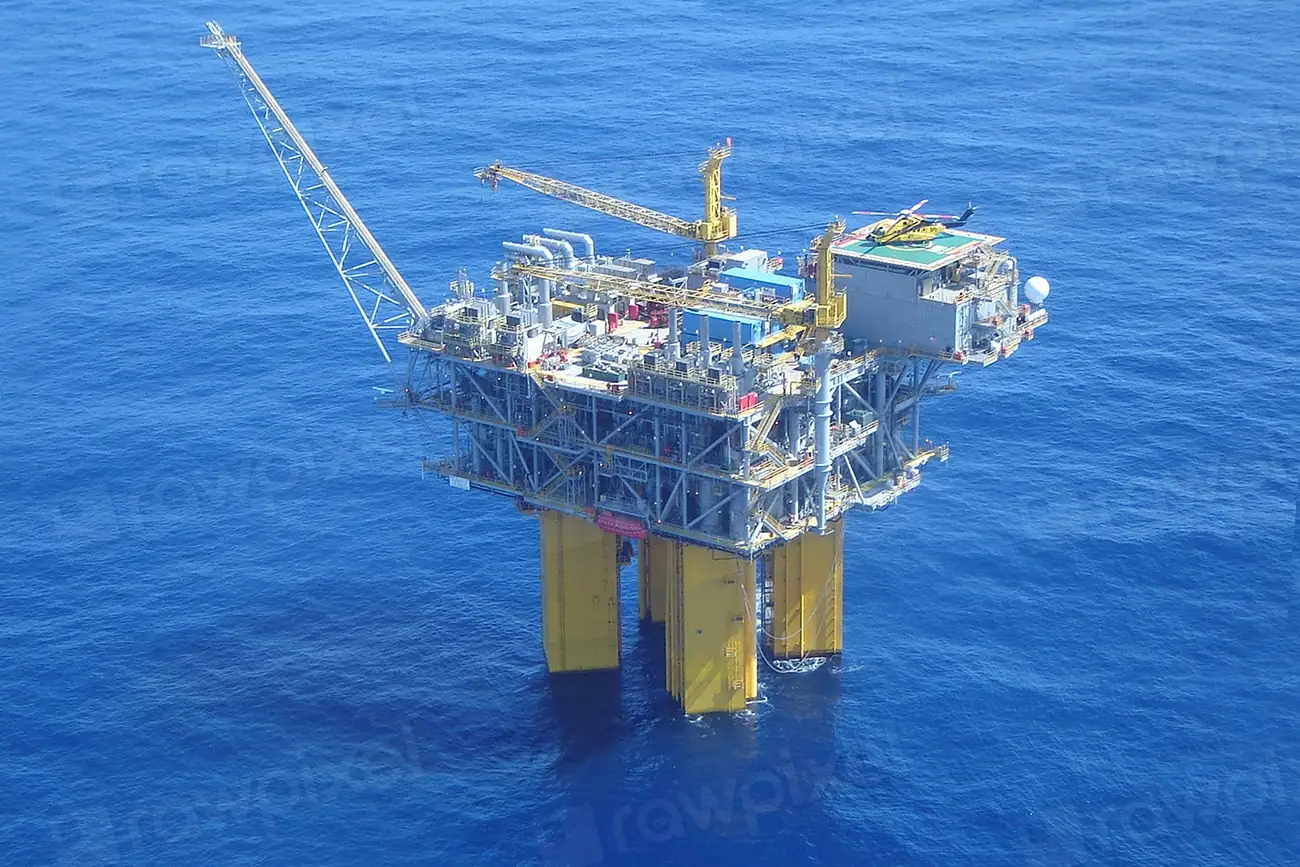
Photographs of the environments and the work itself. These are the conditions the practice is asked about — not stock imagery of relaxation, which would sit badly against everything below.



How we work
Our approach focuses on prevention, awareness, organizational improvement and creating healthier working environments. We work with organizations to address the conditions behind work-related stress rather than treating wellbeing as an individual matter.
When people are under sustained pressure, risk decisions get worse. Fatigue, distraction and reluctance to speak up are organizational signals, and they belong in the same conversation as the physical hazards on site.
Discuss wellbeing supportCommon pressures in high-hazard work
This work is organizational and workplace-focused. Where an individual needs clinical or clinical-adjacent support, we will say so and signpost appropriately.
Step 01
1The tasks, the interfaces and the hours, before anything is called a wellbeing issue.
Step 02
2Workload, demand, control, support and change, described in terms that can be acted on.
Step 03
3Interventions aimed at the working conditions producing the stress, not at coping with it.
Step 04
4What changed, who owns it, and what would show it is not holding.
Our approach
Our approach rests on four connected ideas. Together they address the working conditions behind work-related stress, rather than its symptoms alone.
01
Identifying and reducing the work-related pressures that affect health, judgement and performance before they become harm.
02
Building practical understanding of stress, wellbeing and the signs that colleagues, teams and individuals need support.
03
Tackling the working conditions behind work-related stress—workload, demand, control, support and change—rather than treating it as an individual issue.
04
Creating environments where people can work sustainably, make better decisions and contribute without avoidable harm to their health.
Why it belongs with HSE
Precog Safety Limited integrates HSE and wellbeing because the same organizational conditions produce both physical and psychological harm.
Fatigue and pressure directly affect judgement, compliance and the quality of decisions made under risk.
A working environment that damages health also loses experienced people and the judgement they hold.
Understanding why people accept risk, cut corners or stay silent is central to behavioural safety.
Wellbeing belongs alongside risk assessment, training and improvement—not outside them.
The boundary
Stated here rather than left to be discovered. A wellbeing page that implies clinical outcomes it cannot evidence is worse than one that admits its scope.
Where this sits
Wellbeing is rarely a standalone piece of work. These are the two pages that most often carry the other half of it.
Start a conversation
Tell us about the pressures your people are under and the working conditions behind them. We will help you identify what can realistically be changed.
Clear scope. Practical next steps.